
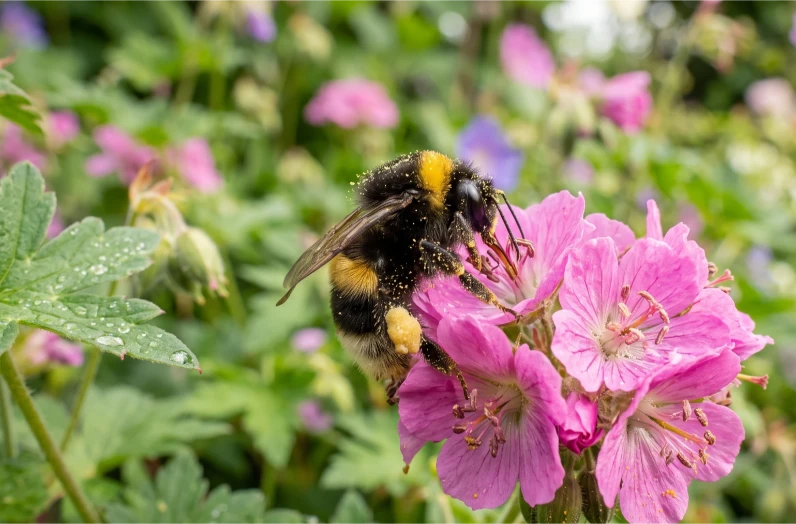
What to Do If You Find a Bee Nest in Your Garden
A Guide to Bee Nests in Your Garden
If you spend enough time pottering around your flowerbeds, you’ll likely encounter one of nature’s hardest workers: the humble bee. But what happens when you discover that these furry little pollinators have actually moved in and set up a nest in your garden? First of all, don’t panic! Finding a bee nest is actually a wonderful compliment. It means your outdoor space is a thriving, healthy environment. Here at Beautiful Gardens, we always advocate for working alongside nature, so here is our friendly guide on what to do if you find a bee nest.
Identify Your New Neighbours
In the UK, the most common garden nesters are bumblebees. They aren’t aggressive and don’t form massive swarms like honeybees or wasps. Bumblebees typically look for sheltered, cosy spots. You might find them in an abandoned mouse hole, a hollow tree, beneath a garden shed, or even in a quiet corner of your compost heap. Tree bumblebees, which have become increasingly common, often take up residence in bird boxes.
The Golden Rule: Leave Them Be
If the nest is in a location where it isn’t causing any direct danger to you, your family, or your pets, the absolute best thing you can do is leave it alone. Bumblebee nests are relatively small, rarely containing more than a few hundred bees, and they are only temporary. The colony will naturally die out at the end of the summer, leaving only the new queens who will fly off to hibernate elsewhere over the winter. They will not return to the same nest next year.
Sharing the Space
If the nest is near a pathway or a part of the garden you use frequently, try to give them a wide berth. Bees are incredibly focused on their work, gathering nectar and pollen, and have no interest in stinging you unless they feel their home is under direct attack.
When Action is Necessary
In very rare circumstances, a nest might be in a highly inconvenient or dangerous spot, such as next to a door you use regularly or if someone in your household has a severe allergy. In these cases, it is crucial not to attempt moving or destroying the nest yourself. Always contact a local swarm collector or a professional pest control service that specialises in ethical bee relocation. They have the expertise to move the colony safely without harming the bees.
Visitors To My Garden
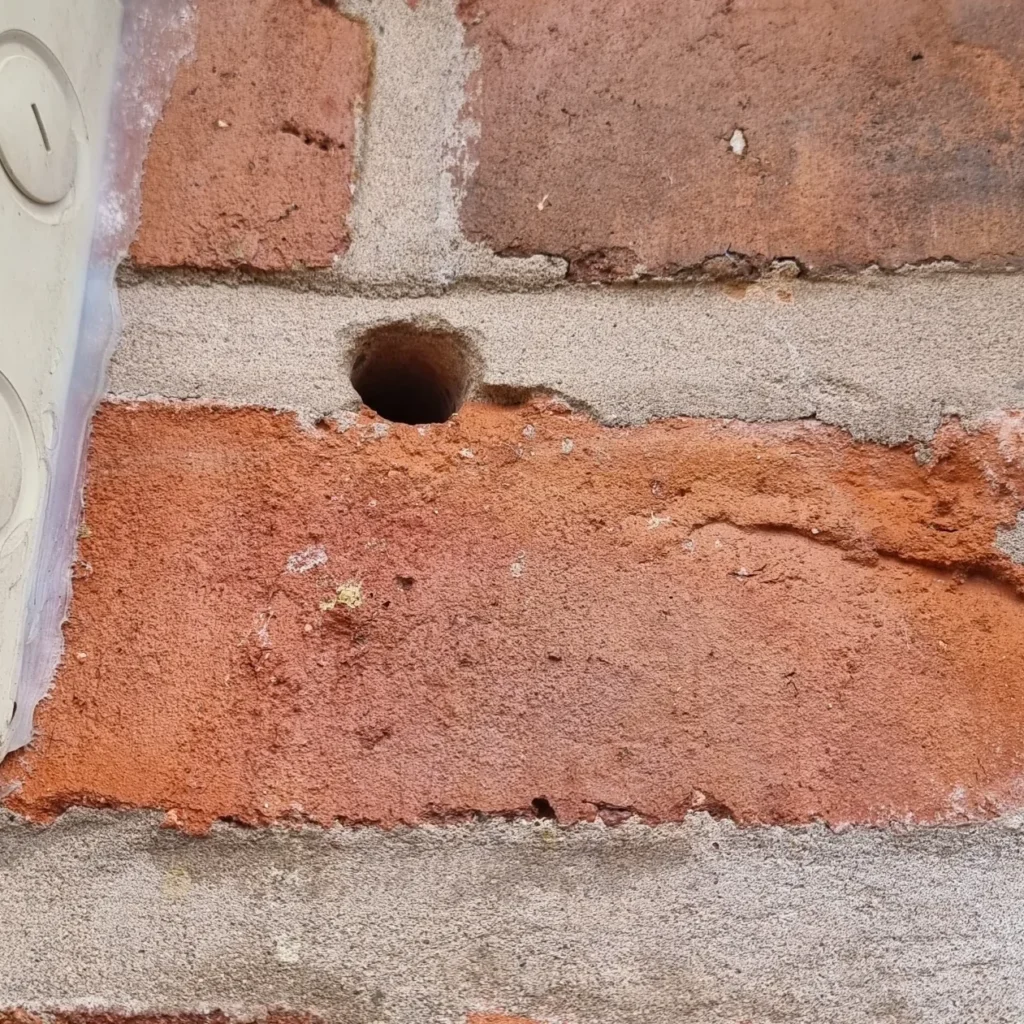
Earlier this year, we had some buzzing visitors of our own when a colony of bees decided to nest in a small hole in the mortar of our house. It was a fascinating and surprisingly active little hub. On any given day, you could see 20 to 30 bees hovering near the entrance, patiently taking turns to pop inside and drop off their hard-earned pollen. Once I identified them as gentle bumblebees, I knew they posed no risk to the family or the property, so we simply let them be.
The nest remained active for about four weeks before they naturally moved on. As a practical measure, I will be sealing the hole up this autumn to prevent them from returning next year. However, I have to admit that I actually miss them a little. Having a front-row seat to watch these wonderful pollinators go about their daily business was a real treat.
Embrace Nature
Having a bee nest is a fleeting summer treat that will do wonders for the pollination of your flowers, fruits, and vegetables. Embrace these buzzing guests while they are here, and enjoy the incredible biodiversity they bring to your beautiful garden!
Further Information
The British Beekeepers Association (BBKA) website has an interactive map where you can enter your postcode to find a registered local swarm collector https://www.bbka.org.uk/
The Stockport Bee Keepers can help if you have a swarm of honey bees that needs to be safely taken away, the British Beekeepers Association has a register of nearby swarm collectors. They will be happy to help, for no charge https://www.stockportbeekeepers.co.uk/swarms . They also support beekeepers in the Stockport area through courses, meetings and events.

Your local expert for maintaining beautiful gardens